
Technical 3D Animation Services for Manufacturers and OEMs
We turn SolidWorks and CAD data into animations that show exactly how your machine, process or plant works — for tenders, exhibitions, training and sales. Built on real dimensions, not a simplified approximation.
Eight recent technical animations. Click any one.
Machine mechanisms, process sequences, plant layouts and product function — every one built from a client CAD model.
 Machine animationGravity Lift Mechanism Explained
 Process animationHow a Centrifugal Air Compressor Works
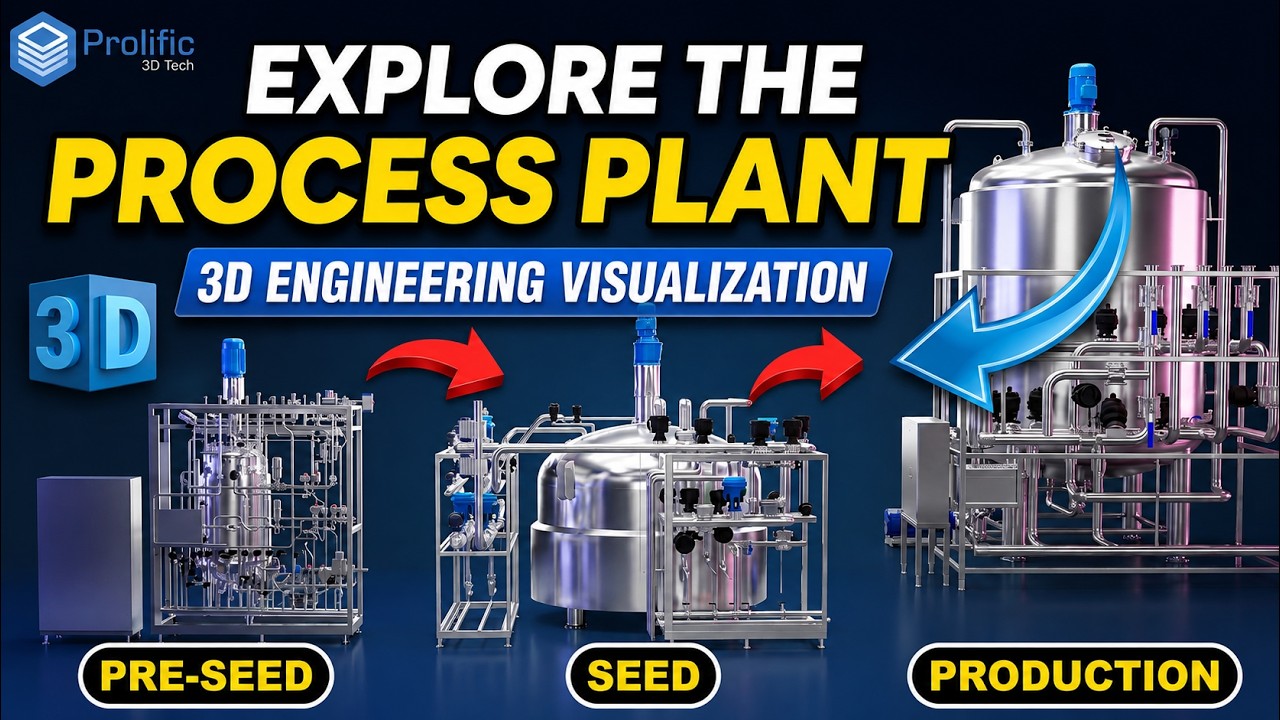 Plant animationFermentation Plant 3D Walkthrough
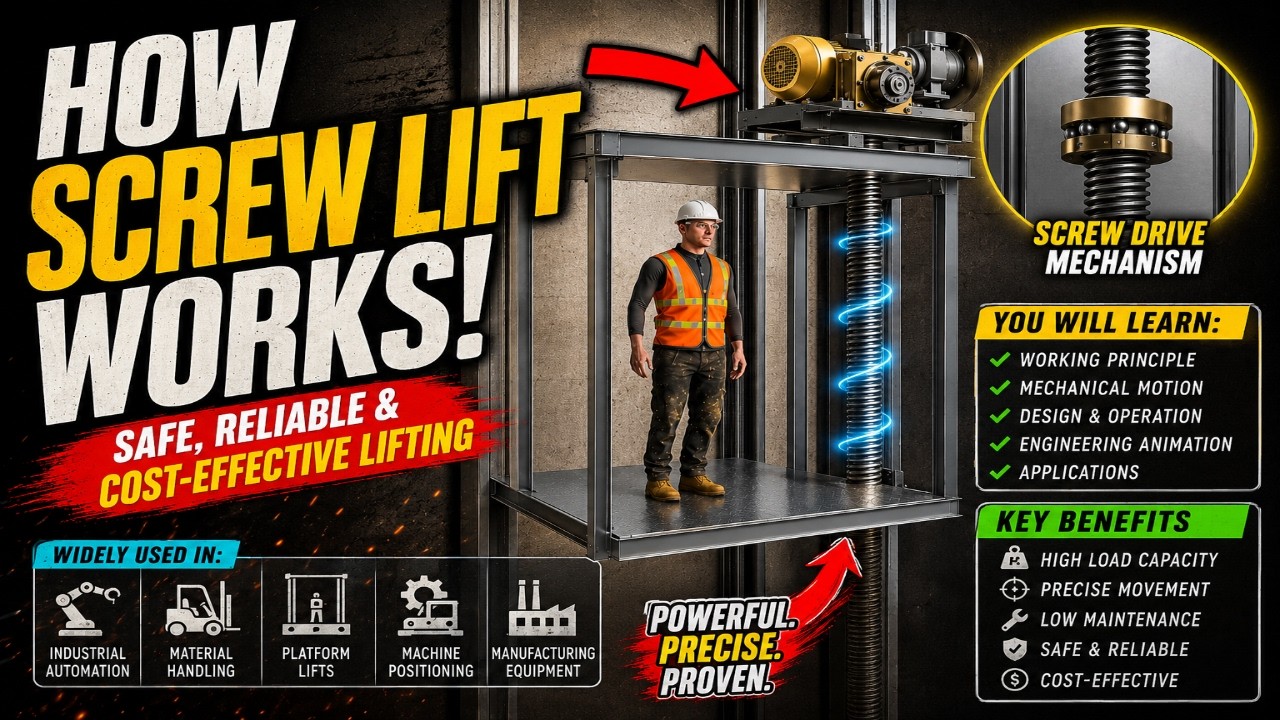 Product animationScrew Lift Technology Explained
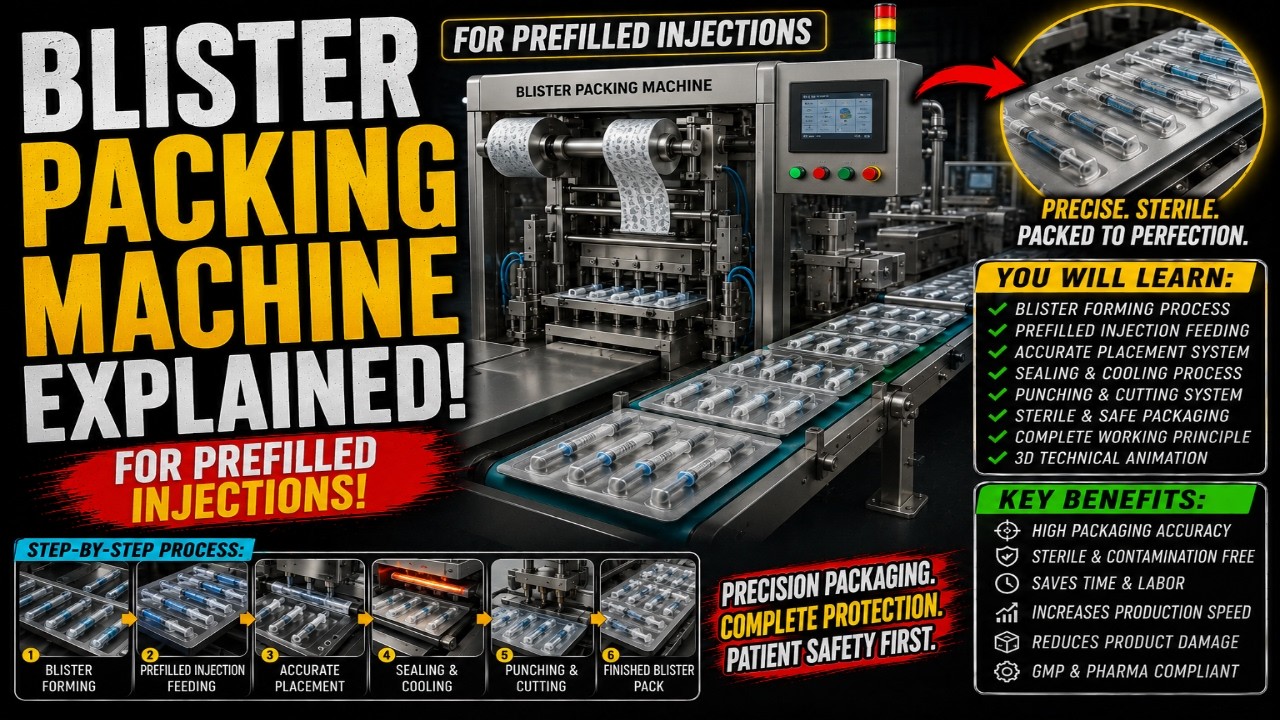 Machine animationBlister Packing Machine Operation
 Process animationHow Conical Helix Blender & Dryer Works
 Plant animationHUL Coffee Processing Plant, Aroma 2.0
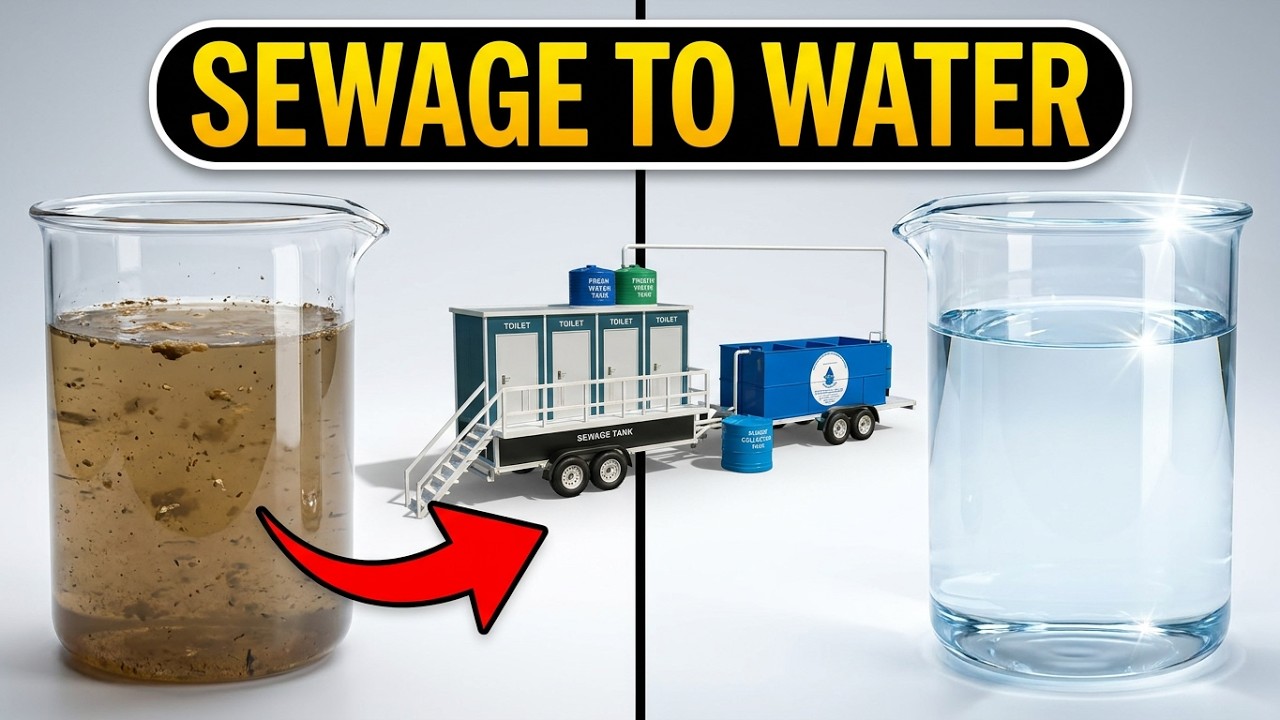 Process animationSewage Treatment Plant — Full Process
Four kinds of technical animation.
Every project starts with your existing CAD data, so the final animation reflects your actual engineering. That is what makes it usable in a tender, an audit or an operator training module.
Machine Animation
We animate internal mechanisms, moving parts and assemblies so operators and buyers can see exactly how a machine functions before it is built or shipped.
See the service02Process Animation
From manufacturing workflows to industrial processes, we break down complex sequences into clear, step-by-step visuals for training and technical presentations.
See the service03Plant Animation
Full plant and facility animations that show equipment layout, material flow and system integration for industrial and manufacturing sites.
See the service04Product Animation
Product animation shows how your product works, assembles and performs — for technical and non-technical audiences alike.
See the serviceFrom your CAD file to a film your engineers will sign off.
Every project starts with your existing CAD data, so the final animation reflects your actual engineering, not a simplified approximation. That is what makes our technical animation services a reliable tool for manufacturers, OEMs and engineering companies across machine building, industrial equipment and process industries.
Your CAD, as it is
STEP, IGES, SolidWorks, Inventor, Creo, NX or Parasolid. We clean and repair the geometry ourselves. Where no 3D exists we model from your 2D drawings or photographs and confirm the geometry with you first.
Storyboard and script
Before a single frame is rendered you approve a shot-by-shot storyboard, the narration script and the confirmed timeline. Nothing is animated on assumption.
Animation and technical review
Motion, sequence timing, exploded views, cutaways and callouts. Your engineers review a draft render and mark up anything mechanically wrong before final.
Delivery in every format you need
Full-resolution master for exhibition screens, compressed cuts for the website and YouTube, silent loops for the stand, and language versions where you sell.
Why manufacturers choose Prolific 3D Tech
With deep experience in 3D process animation, motion animation and industrial rendering, we help manufacturing and engineering companies turn technical designs into animations that train operators, support marketing and win customer confidence. We are mechanical engineers first: we read a general arrangement drawing before we open a 3D package, and we will tell you when a sequence you have asked for is mechanically impossible.
That matters most on the projects where the animation is the only thing the customer will ever see — a machine still on the drawing board, a plant that has not been built, or a unit too large to ship to the exhibition where the order gets placed.
Accuracy is the whole point
A marketing video can flatter a machine. A technical animation has to survive an engineer pausing it frame by frame. Dimensions, clearances, motion paths, fill sequences and interlocks are taken from your model, which is why the same file can be reused in a tender submission, an operator training module and a safety briefing without anyone redrawing it.
It is also why the finished film keeps working. A trade-show loop becomes a distributor training asset, then a YouTube page that still brings enquiries three years later.
Machines too big to demo, too complex for a datasheet.
Most of our technical 3D animation work is for capital-equipment builders in pharmaceutical, chemical, packaging, food-processing, water-treatment and heavy-engineering sectors — companies whose machines are too large to ship to a trade show, too complex to explain on two pages, and often still on the drawing board when the first customer asks how they work.
Typical uses: exhibition and trade-show loops, technical proposals and tenders, product launches, distributor and dealer training, operator and safety training, and website or YouTube content that keeps selling long after the show ends.
Your CAD, or your drawings.
A technical 3D animation is only as accurate as the data behind it. We work from SolidWorks, STEP, IGES, Parasolid, Inventor, Creo or NX files. Where no 3D data exists, we build the model from your 2D drawings or reference photographs first, and confirm the geometry with you before any animation begins.
A short single-machine sequence from clean CAD typically takes one to two weeks. A full process line, a plant walkthrough, or a machine that has to be modelled from drawings takes longer — the modelling drives the schedule, not the animation. Every project is quoted with a storyboard and a confirmed timeline before work starts.
What manufacturers ask before they brief us.
What is technical 3D animation?
Technical 3D animation is the process of converting CAD models and engineering drawings into moving visuals that show exactly how a machine, product or process works. Unlike a generic marketing video, it is built on real dimensions and mechanical accuracy — it demonstrates function, not just form.
What files do I need to supply?
A technical 3D animation is only as accurate as the data behind it. We work from SolidWorks, STEP, IGES, Parasolid, Inventor, Creo or NX files. Where no 3D data exists we build the model from your 2D drawings or reference photographs first, and confirm the geometry with you before any animation begins.
How long does a technical 3D animation take?
A short single-machine sequence from clean CAD data typically takes one to two weeks. A full process line, a plant walkthrough, or a machine that has to be modelled from drawings takes longer — the modelling drives the schedule, not the animation. Every project is quoted with a storyboard and a confirmed timeline before work starts.
Who uses technical 3D animation?
Most of our work is for capital-equipment builders in pharmaceutical, chemical, packaging, food-processing, water-treatment and heavy-engineering sectors — companies whose machines are too large to demo, too complex to explain on a datasheet, and often still on the drawing board when the first customer asks how they work.
Where do manufacturers use the finished animation?
Exhibition and trade-show loops, technical proposals and tenders, product launches, distributor and dealer training, operator and safety training, and website or YouTube content that keeps selling long after the show ends.
Will the animation match my actual engineering?
Yes. Every project starts from your existing CAD data, so the final animation reflects your actual engineering rather than a simplified approximation. That is what makes it usable in a tender or an operator training module.
Do you work from 2D drawings if we have no 3D model?
Yes. Where no 3D data exists we build the model from your 2D general arrangement drawings, P&IDs or reference photographs, and confirm the geometry with you before any animation begins. Modelling from drawings adds to the schedule, so we quote it separately and tell you up front.
Can the animation be reused for training and tenders, not just marketing?
That is the main reason manufacturers commission it. Because the motion is taken from your actual model, the same footage is valid in a tender submission, a distributor training module and an operator safety briefing. We deliver a full-resolution master plus compressed cuts and silent exhibition loops.
Can you produce the animation in other languages?
Yes. We deliver language versions with re-recorded narration or on-screen text for the markets you sell into. It is far cheaper to add a language version at the end of a project than to commission one later, so tell us the markets at briefing stage.
What does a technical 3D animation cost?
It depends on the modelling effort, the length of the sequence and the number of output formats, so every project is quoted individually after we have seen the CAD. A short single-machine sequence from clean data sits at the low end; a full plant walkthrough modelled from drawings sits at the high end.
Send the CAD. We will send back a storyboard and a timeline.
Tell us who has to understand the machine — a buyer at a trade show, an auditor, a distributor, an operator — and we will tell you which animation format does the job.